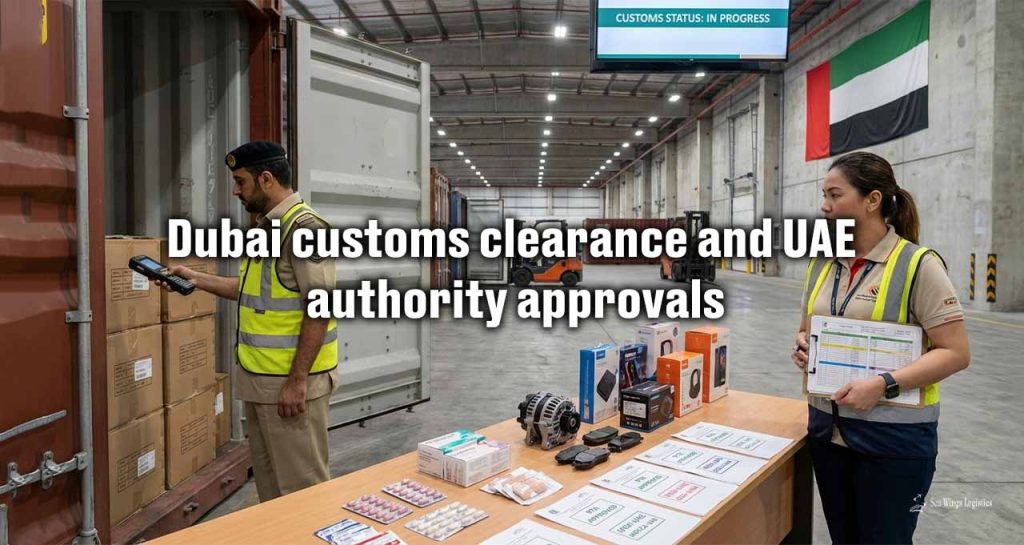
Dubai is one of the world’s busiest trading hubs. Every day, thousands of shipments move through its seaports, airports, and land borders. For any business involved in importing or exporting, understanding Dubai customs clearance and UAE government authority approvals is essential. A smooth clearance process helps save time, reduce costs, and ensure goods reach the market without delay.
Dubai Customs verifies shipments before entry or exit. At the same time, different UAE government authorities review specific products to ensure they meet safety, quality, and legal standards. Approvals from authorities such as RTA, MOH, EDE, and MOCCA play a key role in the cargo clearance process in Dubai.
What Is Dubai Customs Clearance?
Dubai customs clearance is the official procedure used to approve goods for import or export in the UAE. Dubai Customs reviews shipment details and confirms that cargo follows UAE laws and tax rules.
During clearance, customs checks:
- The type of goods
- Declared value
- Country of origin
- Required permits
- Payment of duty and VAT
Once everything is verified, the shipment is released for delivery. This process applies to every import clearance in Dubai and export movement.
Why UAE Government Authority Approvals Matter
Table of Contents
Not all products can be cleared by customs alone. Certain goods require additional approvals from UAE authorities to protect public safety, health, and the environment.
Key Authorities Involved:
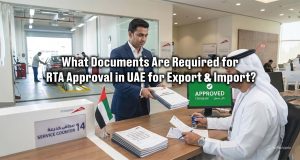
- RTA (Roads and Transport Authority) – Vehicles and transport equipment
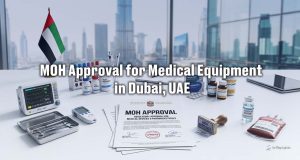
- MOH (Ministry of Health) – Medical, cosmetic, and healthcare products
- EDE (Emirates Drug Establishment) – Pharmaceutical and regulated health products
- MOCCA (Ministry of Climate Change and Environment) – Food, agriculture, and animal products
If these approvals are missing, shipments may be delayed, fined, or rejected during clearance.
How the Dubai Customs Clearance Process Works
The import clearance process in Dubai follows a clear flow from arrival to release.
Document Preparation
Required documents include:
- Commercial Invoice
- Packing List
- Bill of Lading / Airway Bill
- Certificate of Origin
- Import License
- Authority Approvals (if required)
Incomplete documents are a major cause of delays.
HS Code Classification
Each product is assigned an HS Code which determines:
- Applicable duty and VAT
- Required approvals
- Regulatory requirements
Incorrect HS codes can lead to penalties or shipment delays.
Customs Declaration Registration
Shipment data is entered into the Dubai Customs system, including product details, HS codes, invoice value, and origin country. A customs declaration is then created for review.
Inspection and Valuation
Dubai Customs may inspect cargo to confirm:
- Quantity and condition
- Product description
- Declared value
- Compliance with UAE laws
They also confirm the value used for tax calculation before moving forward.
Payment of Duty and VAT
After inspection, customs calculates:
- Customs duty
- VAT (usually 5%)
Payment is required before cargo can be released.
UAE Authority Approvals
Some shipments must receive extra approval before final release. These come from RTA, MOH, EDE, and MOCCA depending on the type of goods.
UAE Authority Approvals Table
| Authority | Goods Covered | Purpose | Requirements |
|---|---|---|---|
| RTA | Vehicles & transport equipment | Road safety compliance | Vehicle specs, inspection |
| MOH | Cosmetics & medical items | Public health protection | Product registration |
| EDE | Pharmaceuticals & regulated drugs | Drug safety & compliance | Drug registration, approvals |
| MOCCA | Food & agriculture | Environmental & food safety | Import permits, certificates |
Role of RTA Approval
RTA approval applies to vehicles and transport-related goods. RTA checks safety standards, technical details, and legal use on UAE roads. Without RTA clearance, vehicles and equipment cannot be registered or operated.
Role of MOH Permit
The MOH permit applies to health-related goods such as cosmetics, medical devices, and supplements. MOH checks ingredients, labels, and safety before products enter the UAE market.
Role of EDE Approval (Emirates Drug Establishment)
EDE approval is required for pharmaceutical and regulated health-related products entering the UAE.
EDE ensures that products:
- Meet strict safety standards
- Are approved for use in the UAE
- Follow proper labeling and formulation rules
- Comply with international drug regulations
Without EDE approval, pharmaceutical shipments cannot be legally imported or distributed in the UAE.
Role of MOCCA Certification
MOCCA certification is required for food, agricultural, and animal products. MOCCA checks food safety and environmental compliance before approval.
Final Release and Delivery
After customs checks, payments, and authority approvals are completed, the shipment is released. Delivery orders are issued and goods move to warehouses or customers, completing the cargo clearance in Dubai.
Common Issues During Clearance
Delays often happen because of:
- Missing documents
- Wrong HS codes
- No authority permits
- Incorrect invoice values
- Labeling errors
These problems increase storage costs and slow down import clearance in Dubai.
Ways to Avoid Delays
Smooth Dubai customs clearance depends on preparation:
- Arrange documents early
- Use correct HS codes
- Apply for permits before arrival
- Register products in advance
- Check labels and packaging
Why Professional Clearance Support Helps
Many businesses use professional services for UAE authority approvals and customs handling. This helps with:
- Faster processing
- Proper documentation
- Permit management
- Lower risk of penalties
- Time savings
Experts handle the technical work while businesses focus on sales and growth.
Practical Example
A shipment of cosmetics entering Dubai needs MOH product registration, correct HS codes, invoice submission, VAT payment, inspection, and final approval. Without an MOH permit, the cargo stays on hold. The same logic applies to vehicles with RTA approval, EDE registration, and food items with MOCCA certification.
Frequently Asked Questions
It is the official process that approves goods for import or export after checks and tax payment.
Vehicles need RTA, health products need MOH, electronics need EED, and food products need MOCCA.
Time depends on documents and approvals and may range from a few hours to several days.
HS codes decide tax rates and permit requirements.
Sea Wings Logistics LLC, we provides complete support for Dubai customs clearance and UAE government authority approvals. From documentation and HS code verification to RTA, MOH, EDE, and MOCCA approvals, we provides end-to-end assistance to ensure your shipments meet all UAE regulatory requirements.
Sea Wings Logistics LLC provides comprehensive customs clearance and UAE authority approval services to support your import and export operations across Dubai and the UAE.